Fuengirola is not only a city to explore on foot; it can also be read. And although that may sound like an unusual metaphor, all you need to do is head to Plaza de España to understand what it means. This central square is the starting point for one of those walks that invite you to stop, take your time and look around. What should you be looking for? The six bronze murals that make up the Somos España project, a cultural and educational initiative that transforms an everyday urban space into a short journey through some of the major milestones in Spain’s history. The work was inaugurated in May 2025 and is now permanently installed in the square.
It is a simple, free activity that can easily be included in a morning stroll around the town centre, before heading down to the beach or continuing through Fuengirola’s main shopping streets.
What are the bronze murals in Plaza de España?
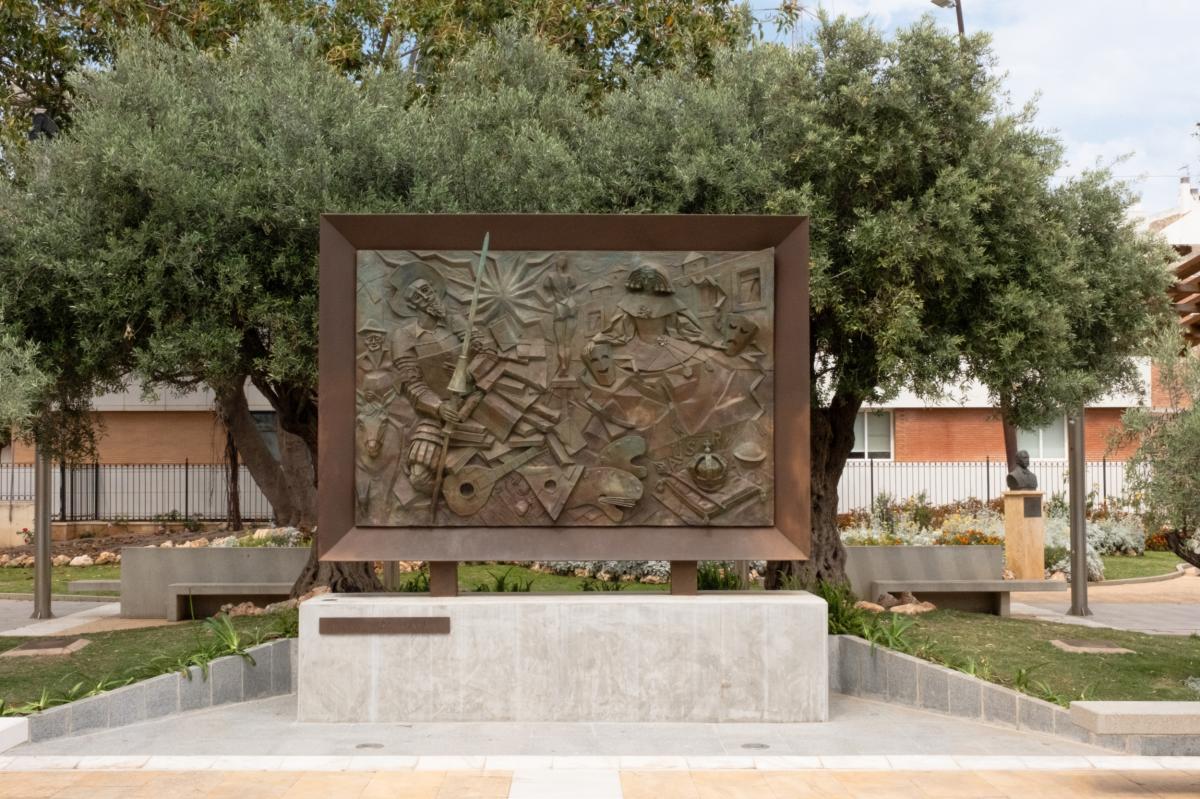
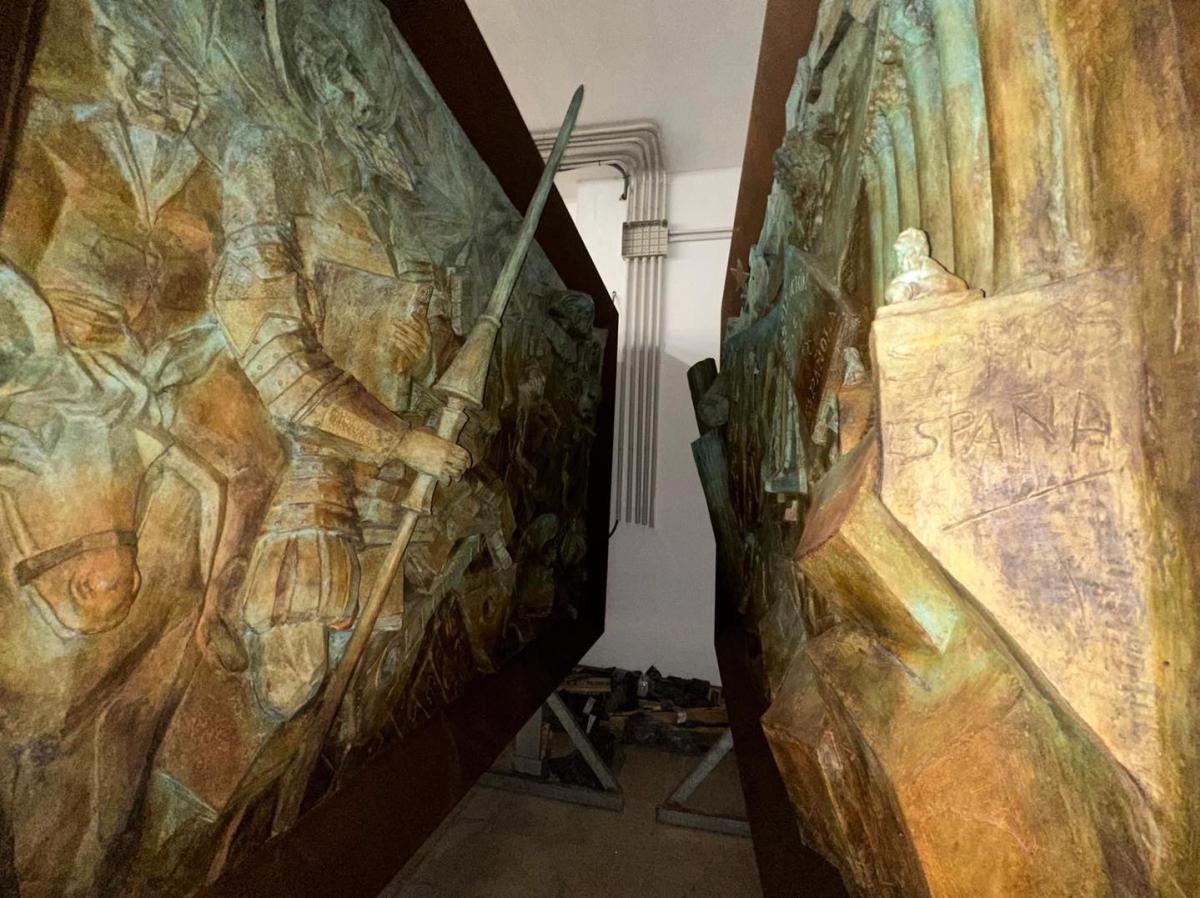
Somos España is a collection of six monumental bronze murals created by local artist Paco Pérez, in collaboration with Charo García. Each panel measures 3 by 2 metres and weighs around 1.2 tonnes, giving an idea of the scale of the project. Rather than a single, standalone sculpture, the murals form a sequence designed to be viewed in order, offering a broad overview of Spanish history from its earliest origins to the present day.
The work offers an added attraction for anyone exploring Fuengirola: it takes history out of the museum and brings it into the streets. There is no need to enter a building, make a reservation or stick to opening hours. The murals are simply there, integrated into the square, making the experience feel even more accessible.
What do the six panels depict?
The route is designed as a chronological journey. The first mural begins with prehistory and the earliest settlers. The second focuses on the first civilisations, from the Roman period to the Muslim era. The third explores the unification of the kingdoms and the arrival in the New World. The fourth highlights major milestones from the Spanish Golden Age. The fifth moves from the Peninsular War to the Constitution of 1812, while the sixth focuses on contemporary history. Taken together, the murals span a timeline stretching from Altamira to references connected with modern-day Spain.
This approach makes the route particularly easy to follow. You do not need to be a history expert to understand the story. The murals have been designed so that anyone can visually grasp the period depicted and see how one era connects with the next.
How does the visit work and what are the QR codes for?
One of the most useful features of the project is the inclusion of QR codes. Each relief incorporates a code that visitors can scan with their phone to access a more detailed explanation of what they are looking at. This turns the route into an educational experience with two different levels: a quick visit for those who simply want to admire the murals and a more leisurely one for anyone interested in stopping to learn more.
It is a convenient format because it keeps the square visually uncluttered while providing additional information without the need for lengthy information boards or dense texts. In a town best enjoyed on foot, this combination works particularly well.
An easy addition to any walk around the town centre
One of the main advantages of these murals is their location. They are set in a lively, central square, so the visit fits naturally into any route through the heart of Fuengirola. You can make them the main focus of your walk or simply stop for a few minutes before continuing towards Plaza de la Constitución, the seafront promenade or the town centre’s shopping area.
The bronze murals in Plaza de España do more than simply enhance the town centre. They also invite visitors to experience Fuengirola in a different way: at a slower pace, with greater curiosity and with the sense that sometimes even a short walk can reveal much more than first meets the eye.